‘Person signifies what is most perfect in all nature.’
What does it mean to be a person?
With wonderful simplicity, St. Thomas Aquinas declares the person to be ‘that which is most perfect in all nature.’ It took time to get to such a brief yet profound appreciation of the significance of the person. Slowly and painstakingly throughout human history the term ‘person’ has been crafted to bring this very significance to the forefront of human life, and only in the 20th century was the time ripe for the intellectual movement of personalism to establish itself in a clearly defined way, with vigor and beauty. Simply stated, personalism is a movement of thought—philosophical, theological, legal, and more broadly cultural—that foregrounds the significance of persons, by explicitly placing the person at the center of its consideration as it explores the meaning of being a person—in spheres both theoretical and practical.
Why this site?
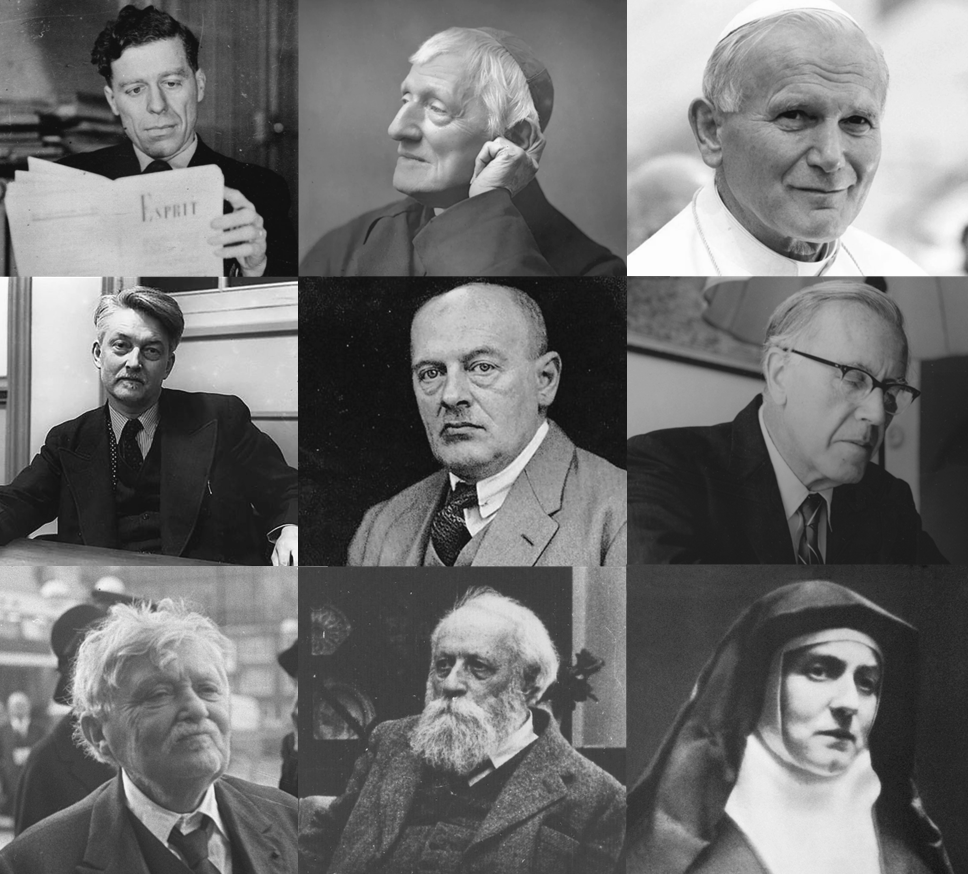
This site is dedicated to digesting and communicating the thought of the great thinkers of the personalist philosophical tradition. This will include, with priority, such thinkers as Edith Stein (1891-1942), Karol Wojtyła (1920-2005), and Dietrich von Hildebrand (1889–1977), while also paying attention to such figures as Jacques Maritain (1882–1973), Emmanuel Mounier (1905–1950), Max Scheler (1874–1928), Martin Buber (1878–1965), and Gabriel Marcel (1889–1973). I will also take into consideration certain forerunners to this tradition, like John Henry Newman (1801-1890) and Immanuel Kant (1794-1804), as well as those who applied it to life with eloquence, with figures like Dorothy Day (1897-1980) and Thomas Merton (1915-1968).
How?
Many different media will be used to communicate the personalist tradition, including short blog-posts and longer articles, short audio recordings and longer video interviews. It is my hope that in this way the personalist movement will become better known and studied, more widely embraced and disseminated—all with a view to coming to a more profound appreciation of the dignity of being a person. By doing so I will be detailing basic personalist themes and exploring specific personalist topics, while also seeking to apply the several insights of personalism to contemporary issues of import in society and culture more broadly.
-
Check out posts on various personalist themes, those covering both foundational and special topics.
-
Check out articles on various personalist themes, those covering both foundational and special topics.
-
Check out audio resources on various personalist themes, those covering both foundational and special topics.
-
Check out video resources on various personalist themes, those covering both foundational and special topics.
-
Till we have faces…
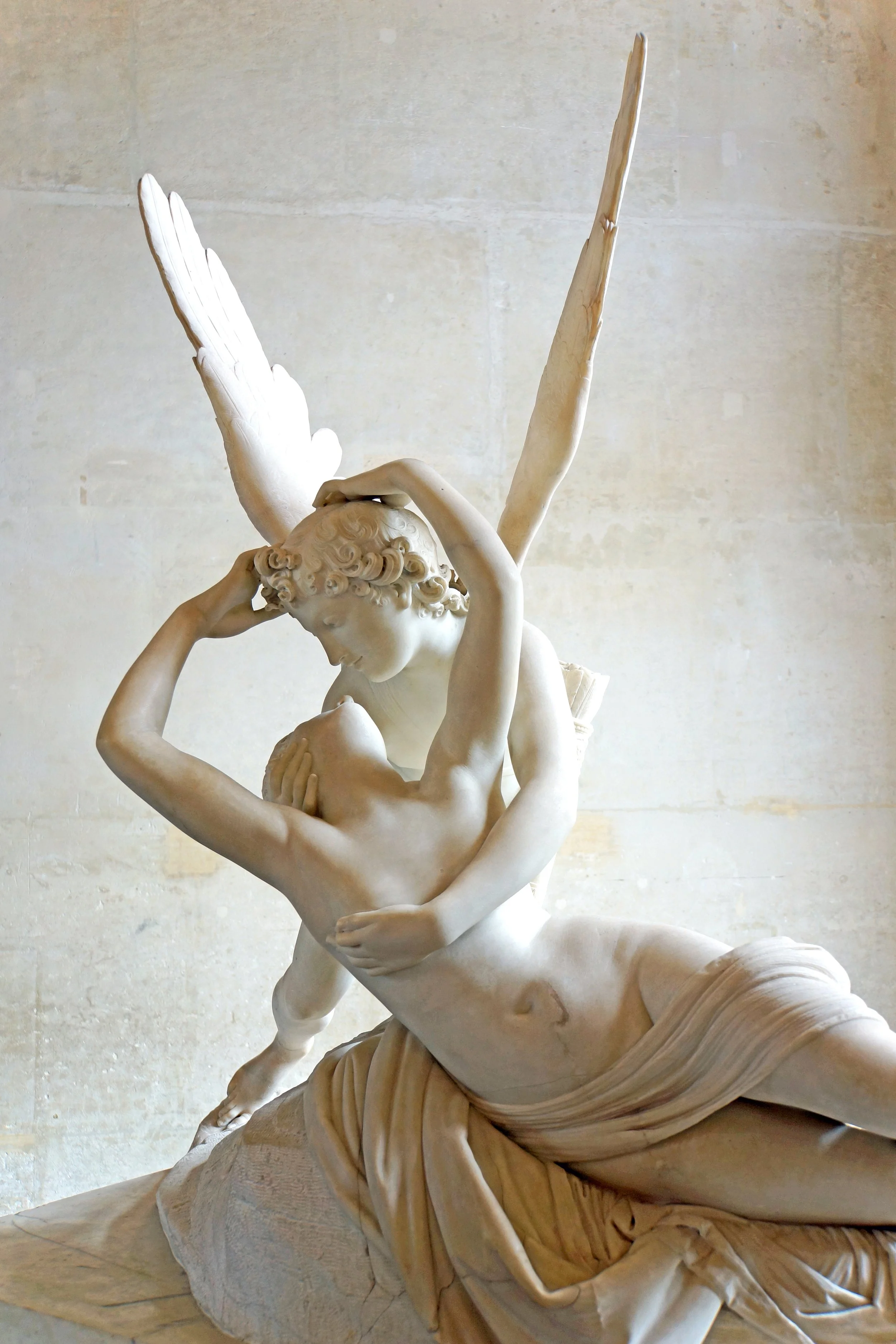
The banner image above shows a statue of Cupid and Psyche (by Theodor Friedl,1890, Belvedere, Vienna, Austria). The story of Cupid and Psyche is an ancient Roman story found originally in the Metamorphoses by Apuleius, but which has so gripped the imagination over the ages that it has been retold in countless forms, in literature, theatre, and poetry. Among those retellings is C.S. Lewis novel Till We Have Faces: A Myth Retold, and this is the reason for the inclusion of the image above on a site devoted to philosophical personalism. As will become clear from the posts over the coming weeks and months, and as is perhaps already intuitively obvious, the face is the visible locus of the person, the place where the personal subject comes to expression and enters into relationship with others. The face is the most intelligible and beautiful of objects, the face is the place of encounter.